
Air Freight Made Clear for Modern Global Trade
Move urgent cargo across borders with speed, clarity, and confidence through expert air freight insights and logistics guidance.
Air Freight Guides: Complete Guide to Air Cargo, Shipping, and Logistics
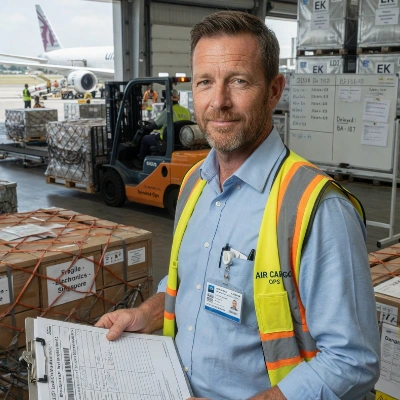
Written by Koby Molvig
Koby Molvig writes for liljononline.com, covering air freight, air cargo, freight forwarding, and global logistics. He helps readers understand fast international shipping with clear, practical, and business-focused insights.
Air freight is one of the most important transportation solutions supporting modern commerce, global trade, and supply chain operations. Every day, millions of kilograms of cargo move through airports, cargo terminals, distribution centers, and logistics networks, helping businesses transport goods quickly across cities, countries, and continents.
From urgent medical supplies and electronics to automotive components and e-commerce products, air cargo plays a critical role in connecting manufacturers, suppliers, distributors, retailers, and consumers worldwide. Industry resources, freight providers, and transportation specialists—including those searching for Cargomaster air freight information—contribute to a broader understanding of modern cargo logistics and shipping solutions.
This comprehensive guide explains everything you need to know about air freight, including how it works, shipping costs, documentation requirements, customs procedures, freight forwarding services, and the technologies shaping the future of global logistics.
What Is Air Freight?
Air freight refers to the transportation of goods by aircraft.
Cargo may travel through:
Dedicated cargo aircraft
Passenger aircraft cargo holds
Express courier networks
Charter aircraft
Unlike sea freight or road transport, air freight prioritizes speed and reliability.
Businesses frequently use air cargo when shipments are:
Time-sensitive
High-value
Perishable
Security-sensitive
Required for just-in-time operations
Modern air cargo networks connect thousands of airports and logistics hubs around the world.
Related Reading
How Air Freight Works
The air freight process involves multiple organizations working together to move cargo efficiently.
The typical process includes:
Shipment Booking
Transportation arrangements are made through airlines or freight forwarders.
Cargo Collection
Goods are collected or delivered to cargo terminals.
Documentation Preparation
Shipping papers are prepared and verified.
Security Screening
Cargo undergoes aviation security procedures.
Aircraft Transportation
Goods are loaded and transported to destination airports.
Customs Processing
International shipments pass through customs clearance procedures.
Final Delivery
Cargo is delivered to the consignee.
Every stage is designed to ensure safety, compliance, and transportation efficiency.
Types of Air Freight Services
Different air freight services are available depending on shipment requirements.
Express Air Freight
Express services prioritize speed and urgent delivery.
Common uses include:
Medical supplies
Emergency replacement parts
Critical business shipments
Standard Air Freight
Standard air freight balances cost and transit time.
Many commercial shipments use this service level.
Consolidated Air Freight
Multiple shipments are combined into a single cargo movement.
Benefits include:
Lower costs
Improved efficiency
Better space utilization
Charter Air Freight
Charter services reserve an entire aircraft for specific cargo.
Often used for:
Oversized freight
Humanitarian aid
Industrial equipment
Remote-area deliveries
Domestic vs International Air Freight
Although both involve aircraft transportation, there are important differences.
Domestic Air Freight
Domestic shipments move within a single country.
Benefits include:
Faster processing
Simpler documentation
No customs clearance
Related Reading
International Air Freight
International shipments cross national borders and require additional procedures.
Examples include:
Customs clearance
Import permits
Export documentation
Duty and tax assessments
Related Reading
Air Freight Documentation
Documentation is essential for cargo transportation.
Shipping papers provide critical information to:
Airlines
Freight Forwarders
Customs Authorities
Airport Operators
Ground Handling Agents
Common documents include:
Air Waybill (AWB)
The primary transportation document for air cargo.
Commercial Invoice
Provides shipment value and product information.
Packing List
Details cargo quantities, dimensions, and packaging.
Certificate of Origin
Identifies where products were manufactured.
Dangerous Goods Declaration
Required for hazardous materials.
Related Reading
Air Freight Costs Explained
Air freight pricing depends on multiple factors.
Common cost components include:
Freight charges
Fuel surcharges
Security fees
Airport handling fees
Documentation charges
Customs-related expenses
The total cost depends on:
Shipment weight
Cargo dimensions
Destination
Service level
Market conditions
Related Reading
Understanding Chargeable Weight
One of the most important concepts in air freight pricing is chargeable weight.
Airlines compare:
Actual Weight
Volumetric Weight
The higher value becomes the chargeable weight used for billing.
The standard formula is:
\text{Volumetric Weight} = \frac{L \times W \times H}{6000}
This system ensures carriers are compensated fairly for both cargo weight and occupied aircraft space.
Related Reading
Customs Clearance in Air Freight
Customs clearance is one of the most important aspects of international shipping.
Authorities may review:
Commercial Invoices
Product classifications
Import permits
Certificates
Customs declarations
Failure to provide accurate documentation may result in:
Delays
Additional inspections
Financial penalties
Cargo holds
Successful customs clearance allows shipments to proceed to final delivery.
Air Freight vs Sea Freight
Many businesses compare air freight with ocean transportation.
Air Freight Advantages
Faster transit times
Better schedule reliability
Enhanced security
Reduced inventory requirements
Sea Freight Advantages
Lower transportation costs
Greater cargo capacity
Better for bulk shipments
The appropriate choice depends on:
Budget
Urgency
Cargo volume
Supply chain objectives
Related Reading
Air Freight vs Sea Freight: Which Is Better?
The Role of Freight Forwarders
Freight forwarders act as logistics coordinators.
Their responsibilities often include:
Booking cargo space
Preparing documentation
Managing customs procedures
Coordinating transportation
Tracking shipments
Arranging delivery
Many businesses rely on freight forwarders to simplify complex logistics operations.
Related Reading
The Role of Freight Forwarders in Air Cargo Shipping
Air Cargo Security Requirements
Air cargo operates under strict security regulations.
Common security measures include:
X-ray screening
Cargo inspections
Access control systems
Identity verification
Aviation security compliance programs
These procedures help protect:
Aircraft
Airports
Cargo
Passengers
Supply chains
Security remains a core component of global air transportation.
Major Air Cargo Hubs Around the World
Global air freight relies on strategically located airports.
Some of the world’s busiest cargo hubs include:
Hong Kong International Airport
Singapore Changi Airport
Incheon International Airport
Shanghai Pudong International Airport
Frankfurt Airport
Amsterdam Airport Schiphol
Dubai International Airport
Memphis International Airport
These airports serve as key gateways for international cargo flows.
Technology Transforming Air Freight
Technology continues to reshape the logistics industry.
Important innovations include:
Electronic Air Waybills (eAWB)
Digital documentation reduces paperwork and administrative delays.
Real-Time Tracking
Businesses can monitor shipments throughout transit.
Warehouse Automation
Automated systems improve cargo handling efficiency.
Artificial Intelligence
AI supports route planning, forecasting, and logistics optimization.
Supply Chain Visibility Platforms
These systems provide end-to-end shipment transparency.
Technology continues to improve efficiency across global transportation networks.
Sustainability in Air Cargo
Environmental concerns are increasingly influencing logistics decisions.
Industry initiatives include:
Fuel-efficient aircraft
Sustainable Aviation Fuel (SAF)
Route optimization
Carbon reduction programs
Improved cargo load efficiency
Many airlines and logistics providers are investing in sustainability programs while maintaining transportation performance.
Common Air Freight Challenges
Despite its advantages, air freight presents several challenges.
Examples include:
Capacity Constraints
Limited aircraft space can increase rates during peak periods.
Weather Disruptions
Severe weather occasionally affects flight schedules.
Regulatory Compliance
International regulations vary between countries.
Documentation Errors
Incomplete paperwork can delay shipments.
Market Volatility
Fuel costs and demand fluctuations can impact pricing.
Businesses that understand these challenges can prepare more effectively.
Best Practices for Air Freight Shipping
To improve shipping efficiency:
Plan Ahead
Advance planning often provides better transportation options.
Optimize Packaging
Reducing package dimensions can lower freight costs.
Maintain Accurate Documentation
Complete paperwork helps avoid delays.
Track Shipments
Real-time monitoring improves supply chain visibility.
Work With Experienced Providers
Professional logistics partners can simplify transportation management.
Frequently Asked Questions
Is air freight faster than sea freight?
Yes. Air freight is significantly faster and often delivers international shipments within days rather than weeks.
What determines air freight pricing?
Pricing is typically based on chargeable weight, route distance, fuel costs, handling fees, and service level requirements.
What documents are required for international air freight?
Common documents include Air Waybills, Commercial Invoices, Packing Lists, Certificates of Origin, and customs declarations.
What is chargeable weight?
Chargeable weight is the greater of actual weight or volumetric weight and is used to calculate freight charges.
Do all international shipments require customs clearance?
Yes. Most international shipments must comply with customs procedures in both exporting and importing countries.
Conclusion
Air freight remains one of the most valuable transportation solutions in modern logistics. Its speed, reliability, global reach, and security make it an essential component of international trade and supply chain management.
From documentation and customs clearance to freight forwarding and chargeable weight calculations, understanding how air cargo works allows businesses to make informed shipping decisions and improve logistics performance.
Whether you are new to air freight or looking to optimize existing transportation strategies, mastering the fundamentals of air cargo can help support more efficient and resilient supply chains.