
Air Freight Made Clear for Modern Global Trade
Move urgent cargo across borders with speed, clarity, and confidence through expert air freight insights and logistics guidance.
What Is Air Freight and How Does It Work?
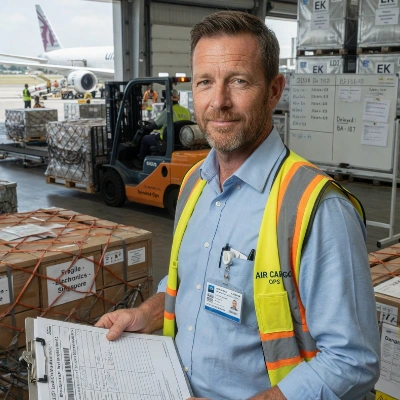
Written by Koby Molvig
Koby Molvig writes for liljononline.com, covering air freight, air cargo, freight forwarding, and global logistics. He helps readers understand fast international shipping with clear, practical, and business-focused insights.
Air freight is one of the fastest methods of transporting goods from one location to another. Whether businesses need to move electronics, medical supplies, automotive components, retail products, or time-sensitive cargo, air transportation plays a vital role in modern supply chains.
As global commerce continues to expand, air cargo networks connect manufacturers, distributors, retailers, and consumers across continents. Airports, cargo terminals, freight forwarders, airlines, customs agencies, and logistics providers all work together to ensure shipments arrive safely and on time.
In this guide, we’ll explain what air freight is, how it works, and why it remains an essential part of international and domestic transportation.
What Is Air Freight?
Air freight refers to the transportation of goods by aircraft. Cargo may travel on dedicated freighter aircraft or in the cargo holds of passenger airlines operating scheduled routes.
Unlike sea freight or road transport, air freight prioritizes speed, making it an ideal option for urgent shipments and high-value goods.
Common cargo transported by air includes:
Electronics
Pharmaceuticals
Medical equipment
Aerospace components
Automotive parts
Fashion products
Perishable goods
E-commerce shipments
Industrial equipment
High-value merchandise
Air freight is widely used by businesses that require fast delivery, reliable transit schedules, and global market access.
Why Air Freight Is Important
Modern supply chains rely heavily on air cargo transportation.
Air freight helps businesses:
Reduce delivery times
Maintain inventory levels
Support just-in-time manufacturing
Transport urgent replacement parts
Move high-value goods securely
Access international markets quickly
Many industries depend on air transportation to avoid costly delays that could disrupt production schedules or customer deliveries.
For example, pharmaceutical companies may use air freight to transport temperature-sensitive medications, while technology companies often rely on air cargo for high-value electronic components.
How Air Freight Works
The air freight process involves several stages from collection to final delivery.
1. Shipment Booking
The process begins when a shipper arranges transportation through an airline or freight forwarder.
Information typically provided includes:
Cargo description
Weight
Dimensions
Destination
Delivery timeframe
Special handling requirements
Based on these details, transportation arrangements are made.
2. Cargo Collection
The cargo may be collected from the shipper’s location or delivered directly to a cargo terminal.
At this stage, the shipment is inspected and prepared for transport.
Packaging must meet transportation requirements to protect goods throughout transit.
3. Documentation Preparation
Air freight requires accurate shipping documentation.
Common documents include:
Air Waybill (AWB)
Commercial Invoice
Packing List
Export Documentation
Import Documentation
Customs Declarations
These documents help authorities and logistics providers track and process shipments.
4. Security Screening
Before being loaded onto an aircraft, cargo undergoes security inspections.
Security measures may include:
X-ray scanning
Physical inspections
Explosive detection systems
Documentation verification
These procedures help ensure compliance with aviation security regulations.
5. Airport Cargo Handling
After security clearance, cargo is moved into airport freight facilities.
Ground handling teams:
Sort shipments
Build cargo pallets
Load Unit Load Devices (ULDs)
Prepare aircraft loading plans
Efficient cargo handling is critical to maintaining flight schedules.
6. Aircraft Transportation
Once loaded, the cargo is transported to its destination airport.
Cargo may travel through:
Direct flights
Connecting flights
Regional cargo hubs
International freight gateways
Major airports often serve as transfer points within global logistics networks.
7. Customs Processing
International shipments typically undergo customs inspections upon arrival.
Customs authorities may review:
Cargo declarations
Commercial invoices
Import permits
Duties and taxes
Successful customs clearance allows the shipment to proceed to final delivery.
8. Final Delivery
After arrival and processing, cargo is delivered to the recipient.
Delivery options may include:
Airport-to-airport
Door-to-door
Airport-to-door
Door-to-airport
The chosen service depends on the transportation agreement and customer requirements.
Types of Air Freight Services
Air freight services vary depending on urgency and shipment requirements.
Express Air Freight
Express services prioritize speed and are commonly used for urgent deliveries.
Benefits include:
Fast transit times
Priority handling
Frequent flight availability
Standard Air Freight
Standard air freight offers a balance between cost and speed.
This option is suitable for routine commercial shipments.
Charter Air Freight
Charter services involve reserving an entire aircraft for a specific shipment.
These services are often used for:
Oversized cargo
Humanitarian aid
Emergency logistics
Remote-area deliveries
Consolidated Air Freight
Multiple shipments from different customers are combined into a single cargo load.
Consolidation can reduce shipping costs while maintaining efficient transportation.
Air Freight vs Other Transportation Methods
Air Freight vs Sea Freight
Air freight offers:
Faster delivery
Greater schedule reliability
Reduced inventory costs
Sea freight offers:
Lower transportation costs
Larger cargo capacity
Better suitability for bulk shipments
Air Freight vs Road Transport
Road transport is effective for regional distribution, while air freight is often preferred for long-distance or international shipments where speed is essential.
Common Industries That Use Air Freight
Many sectors depend on air transportation.
Examples include:
Healthcare
Hospitals and pharmaceutical companies often transport:
Medicines
Vaccines
Medical devices
Laboratory supplies
Technology
Technology manufacturers frequently ship:
Computer components
Semiconductors
Telecommunications equipment
Automotive
Automotive supply chains rely on air freight for:
Replacement parts
Manufacturing components
Urgent inventory replenishment
Retail and E-Commerce
Online retailers use air cargo to meet customer expectations for rapid delivery.
Advantages of Air Freight
Businesses choose air freight for several reasons.
Speed
Air freight is typically the fastest transportation option available for long-distance shipments.
Reliability
Airlines operate structured schedules that help improve shipment predictability.
Security
Airports implement strict security procedures that help protect cargo.
Global Reach
Air transportation networks connect cities and countries worldwide.
Reduced Warehousing Costs
Faster transportation often reduces the need for large inventory storage.
Challenges of Air Freight
Despite its advantages, air freight also presents challenges.
Higher Costs
Air transportation is generally more expensive than sea or road freight.
Capacity Constraints
Limited aircraft space can affect availability during peak seasons.
Weather Disruptions
Severe weather may occasionally impact flight schedules.
Regulatory Requirements
International shipments must comply with customs, security, and aviation regulations.
The Role of Freight Forwarders
Freight forwarders help coordinate the air freight process.
Their responsibilities often include:
Booking cargo space
Managing documentation
Coordinating transportation
Arranging customs clearance
Tracking shipments
Communicating with carriers
Many businesses use freight forwarders to simplify complex logistics operations.
Technology and Modern Air Cargo
Technology continues to transform air freight operations.
Innovations include:
Digital Air Waybills
Cargo Tracking Systems
Supply Chain Visibility Platforms
Warehouse Automation
Artificial Intelligence
Real-Time Shipment Monitoring
These technologies help improve efficiency, transparency, and operational performance.
Conclusion
Air freight is a critical component of global transportation and supply chain management. By moving goods quickly between regions and countries, air cargo helps businesses maintain inventory, serve customers, and support international trade.
From shipment booking and documentation to customs clearance and final delivery, air freight involves a coordinated network of airlines, airports, logistics providers, freight forwarders, and transportation professionals.
For companies seeking speed, reliability, and worldwide reach, air freight remains one of the most effective transportation solutions available today.
Related Reading
For a broader overview of the industry, read our comprehensive air freight guides resource covering air cargo operations, freight costs, documentation requirements, customs procedures, chargeable weight calculations, and logistics best practices.