
Air Freight Made Clear for Modern Global Trade
Move urgent cargo across borders with speed, clarity, and confidence through expert air freight insights and logistics guidance.
The Role of Freight Forwarders in Air Cargo Shipping
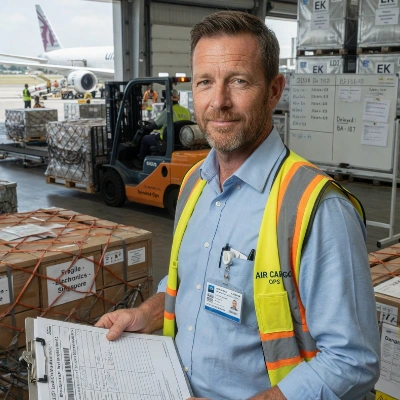
Written by Koby Molvig
Koby Molvig writes for liljononline.com, covering air freight, air cargo, freight forwarding, and global logistics. He helps readers understand fast international shipping with clear, practical, and business-focused insights.
Air cargo shipping involves far more than simply moving goods from one airport to another. Behind every successful shipment is a network of airlines, cargo terminals, customs authorities, ground handling agents, transportation providers, and logistics professionals working together to ensure cargo reaches its destination efficiently.
One of the most important participants in this process is the freight forwarder.
Freight forwarders act as logistics coordinators, helping businesses navigate the complexities of air freight transportation. From booking cargo space and preparing shipping documentation to managing customs procedures and coordinating final delivery, freight forwarders play a vital role in modern supply chains.
This guide explains what freight forwarders do, how they support air cargo operations, and why businesses around the world rely on their expertise.
What Is a Freight Forwarder?
A freight forwarder is a company or logistics specialist that organizes the transportation of goods on behalf of shippers.
Rather than operating aircraft directly, freight forwarders coordinate transportation services through:
Airlines
Cargo carriers
Ground transportation providers
Warehousing operators
Customs brokers
Logistics networks
Their primary goal is to ensure cargo moves efficiently from origin to destination while complying with transportation regulations.
Why Freight Forwarders Are Important
International and domestic air freight can be highly complex.
Shipments often involve:
Multiple transportation providers
Customs requirements
Security regulations
Documentation procedures
Delivery scheduling
Freight forwarders simplify these processes and provide businesses with a single point of contact throughout the shipment journey.
Their expertise helps reduce delays, administrative burdens, and operational risks.
How Freight Forwarders Work
The freight forwarding process begins when a shipper needs to transport goods.
The forwarder evaluates:
Shipment size
Weight
Destination
Delivery timeframe
Cargo characteristics
Based on these requirements, the forwarder develops a transportation plan and coordinates the necessary services.
Booking Cargo Space
One of the primary responsibilities of a freight forwarder is securing space on aircraft.
Forwarders often maintain relationships with:
International airlines
Cargo carriers
Express operators
Charter providers
These relationships help them identify suitable transportation options and competitive freight rates.
By consolidating shipments from multiple customers, freight forwarders may also obtain pricing advantages that individual shippers cannot access directly.
Route Planning and Transportation Management
Freight forwarders evaluate available transportation routes to determine the most efficient shipping solution.
Factors considered include:
Transit times
Flight availability
Airport connections
Cost considerations
Cargo requirements
The objective is to balance speed, reliability, and transportation costs.
In many cases, freight forwarders coordinate multi-leg shipments involving several airports and carriers.
Air Freight Documentation Management
Documentation is one of the most critical aspects of air cargo transportation.
Freight forwarders help prepare and review essential documents such as:
Air Waybills (AWB)
Commercial Invoices
Packing Lists
Certificates of Origin
Export Declarations
Import Documentation
Dangerous Goods Declarations
Accurate paperwork helps prevent delays and supports regulatory compliance.
Customs Clearance Assistance
International shipments must often pass through customs inspections before entering or leaving a country.
Freight forwarders assist by:
Reviewing documentation
Coordinating customs submissions
Communicating with customs authorities
Resolving compliance issues
Managing import and export procedures
Their knowledge of customs requirements can significantly reduce shipment delays.
Cargo Consolidation Services
Many freight forwarders offer cargo consolidation programs.
Consolidation involves combining shipments from multiple customers into a single air freight shipment.
Benefits include:
Reduced transportation costs
Better aircraft space utilization
More competitive shipping rates
Improved logistics efficiency
This service is particularly valuable for small and medium-sized businesses.
Cargo Tracking and Visibility
Modern freight forwarders provide shipment tracking solutions that improve visibility throughout the transportation process.
Tracking systems may provide updates regarding:
Cargo acceptance
Airport departures
Transit locations
Customs status
Delivery progress
Real-time visibility allows businesses to monitor shipments and respond quickly to potential disruptions.
Warehousing and Distribution Support
Many freight forwarders offer additional logistics services beyond transportation.
These services may include:
Warehousing
Inventory management
Cargo storage
Order fulfillment
Distribution planning
Integrated logistics solutions can help businesses streamline supply chain operations.
Risk Management and Cargo Protection
Air freight shipments may encounter various risks during transportation.
Examples include:
Weather disruptions
Documentation errors
Customs delays
Capacity shortages
Regulatory changes
Freight forwarders help identify and mitigate these risks through planning and operational expertise.
Many also assist customers with cargo insurance arrangements.
Handling Specialized Cargo
Certain shipments require specialized logistics expertise.
Freight forwarders frequently coordinate transportation for:
Dangerous Goods
Examples include:
Lithium batteries
Industrial chemicals
Flammable materials
Special regulations govern their transportation.
Temperature-Controlled Cargo
Examples include:
Pharmaceuticals
Vaccines
Medical products
Perishable foods
These shipments require strict temperature monitoring throughout transit.
Oversized Cargo
Examples include:
Industrial machinery
Aerospace components
Large equipment
Specialized aircraft and handling procedures may be required.
Domestic Air Freight Support
Freight forwarders play an important role in domestic logistics as well.
They help coordinate:
Same-day deliveries
Overnight freight
Airport-to-airport services
Door-to-door transportation
Regional cargo distribution
Their expertise allows businesses to move cargo quickly within national transportation networks.
International Air Freight Expertise
International logistics often involve additional complexity.
Freight forwarders help businesses navigate:
Customs regulations
Trade restrictions
Import permits
Export controls
Country-specific requirements
This expertise is particularly valuable when shipping to multiple international markets.
Advantages of Using a Freight Forwarder
Businesses often benefit from freight forwarding services in several ways.
Logistics Expertise
Forwarders understand transportation regulations, documentation requirements, and industry best practices.
Time Savings
Businesses can focus on core operations while logistics professionals manage transportation details.
Cost Optimization
Forwarders often identify opportunities to reduce shipping expenses.
Improved Compliance
Professional oversight helps minimize regulatory risks.
Shipment Visibility
Modern tracking systems improve supply chain transparency.
Industries That Rely on Freight Forwarders
Many sectors depend on freight forwarding services.
Healthcare
Medical products often require rapid and highly controlled transportation.
Technology
Electronics manufacturers frequently rely on air freight and global logistics networks.
Automotive
Production schedules often depend on timely delivery of components.
Aerospace
High-value aerospace parts require specialized transportation planning.
Retail and E-Commerce
Fast-moving consumer markets frequently require expedited shipping solutions.
Technology and Modern Freight Forwarding
The freight forwarding industry continues to evolve through digital transformation.
Modern technologies include:
Transportation Management Systems (TMS)
Electronic Air Waybills (eAWB)
Supply Chain Visibility Platforms
Automated Documentation Systems
Artificial Intelligence Tools
Real-Time Tracking Solutions
These innovations improve efficiency, accuracy, and customer service.
Global Organizations That Influence Freight Forwarding
Several organizations help establish standards and regulations within international logistics.
These include:
International Air Transport Association (IATA)
International Civil Aviation Organization (ICAO)
World Customs Organization (WCO)
International Chamber of Commerce (ICC)
World Trade Organization (WTO)
Freight forwarders often operate within frameworks established by these organizations.
Choosing the Right Freight Forwarder
When evaluating freight forwarding providers, businesses should consider:
Industry experience
Network coverage
Documentation expertise
Tracking capabilities
Customer support
Compliance knowledge
Service reliability
Selecting the right logistics partner can have a significant impact on transportation performance.
The Future of Freight Forwarding
Freight forwarding continues to evolve alongside global trade and technology.
Emerging trends include:
Digital logistics platforms
Automated documentation
Enhanced shipment visibility
Sustainable transportation initiatives
Data-driven supply chain optimization
As transportation networks become more interconnected, freight forwarders will continue to play a critical role in coordinating global cargo movements.
Conclusion
Freight forwarders serve as essential coordinators within the air cargo industry. By managing transportation planning, documentation, customs procedures, cargo consolidation, and shipment tracking, they help businesses navigate the complexities of modern logistics.
Whether shipping domestically or internationally, organizations often rely on freight forwarders to improve efficiency, reduce risks, and streamline supply chain operations. Their expertise remains a valuable asset in an increasingly global and time-sensitive transportation environment.
Related Reading
For a complete overview of air cargo transportation, explore our comprehensive air freight guides resource covering freight operations, shipping costs, customs procedures, documentation requirements, chargeable weight calculations, and logistics best practices.