
Air Freight Made Clear for Modern Global Trade
Move urgent cargo across borders with speed, clarity, and confidence through expert air freight insights and logistics guidance.
Air Freight vs Sea Freight: Which Is Better?
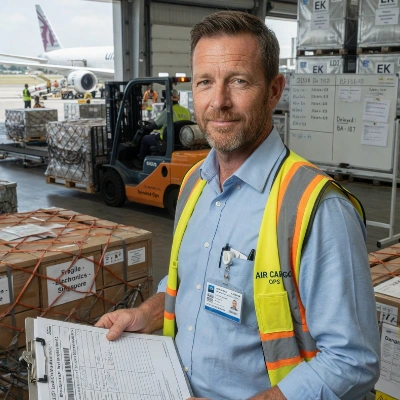
Written by Koby Molvig
Koby Molvig writes for liljononline.com, covering air freight, air cargo, freight forwarding, and global logistics. He helps readers understand fast international shipping with clear, practical, and business-focused insights.
Choosing between air freight and sea freight is one of the most important decisions businesses make when planning domestic or international shipments. Both transportation methods play a critical role in global trade, supply chain management, and cargo logistics, but each offers distinct advantages and disadvantages.
The right choice depends on several factors, including shipment urgency, cargo value, transportation budget, delivery deadlines, and overall business objectives.
This guide compares air freight and sea freight across key categories such as speed, cost, reliability, capacity, security, and environmental impact to help businesses determine the best shipping solution for their needs.
Understanding Air Freight
Air freight involves transporting cargo by aircraft through domestic and international airport networks.
Shipments may travel via:
Dedicated cargo aircraft
Passenger aircraft cargo holds
Express courier networks
Charter aircraft
Air freight is widely used for time-sensitive shipments where speed is a priority.
Common examples include:
Pharmaceuticals
Medical equipment
Electronics
Automotive components
High-value goods
E-commerce shipments
Understanding Sea Freight
Sea freight involves transporting cargo by ships through ports and maritime shipping routes.
Cargo is commonly transported using:
Standard containers
Refrigerated containers
Open-top containers
Flat-rack containers
Breakbulk shipping systems
Sea freight is generally preferred for larger shipments that are less time-sensitive.
Typical cargo includes:
Industrial machinery
Building materials
Consumer goods
Manufacturing equipment
Raw materials
Bulk commodities
Speed Comparison
One of the biggest differences between air freight and sea freight is transit time.
Air Freight
Air cargo is the fastest transportation option available for long-distance shipments.
Typical transit times:
Domestic shipments: Same day to 2 days
International shipments: 1 to 7 days
Cargo can often move between continents within a matter of days.
Sea Freight
Ocean shipping requires significantly longer transit times.
Typical transit times:
Regional routes: 1 to 3 weeks
International routes: 3 to 8 weeks
Long-distance trade routes: Several months in some cases
Port congestion and weather conditions may further extend delivery times.
Winner: Air Freight
When speed is the primary concern, air freight clearly provides the advantage.
Cost Comparison
Transportation costs often influence shipping decisions more than any other factor.
Air Freight Costs
Air freight generally has higher transportation costs due to:
Aircraft operations
Aviation fuel expenses
Airport infrastructure
Security requirements
Pricing is commonly based on:
Chargeable weight
Volumetric weight
Flight route
Cargo handling requirements
Sea Freight Costs
Ocean shipping usually offers lower transportation costs per unit.
Benefits include:
Lower cost per kilogram
Lower cost per cubic meter
Greater economies of scale
Large shipments often become significantly more economical when transported by sea.
Winner: Sea Freight
For businesses focused primarily on reducing transportation costs, sea freight is usually the more economical option.
Cargo Capacity Comparison
Capacity limitations vary considerably between aircraft and ships.
Air Freight Capacity
Aircraft cargo space is limited.
Restrictions often include:
Weight limitations
Size restrictions
Hazardous cargo regulations
Oversized shipments may require specialized charter services.
Sea Freight Capacity
Container ships offer enormous cargo capacity.
Modern vessels can transport:
Thousands of containers
Heavy machinery
Large industrial equipment
Bulk commodities
Sea freight accommodates cargo that would be impractical or impossible to transport by air.
Winner: Sea Freight
For large-volume shipments, sea freight offers unmatched capacity.
Reliability Comparison
Reliability is important for maintaining supply chain performance.
Air Freight Reliability
Airlines generally operate structured schedules with frequent departures.
Advantages include:
Predictable transit times
Frequent flight availability
Reduced handling stages
However, weather disruptions can occasionally affect schedules.
Sea Freight Reliability
Ocean shipping schedules are generally reliable but can experience delays caused by:
Port congestion
Vessel availability
Labor disruptions
Weather conditions
Longer transit times may increase uncertainty.
Winner: Air Freight
Air cargo typically provides more predictable delivery schedules.
Security Comparison
Cargo security is a major consideration for valuable shipments.
Air Freight Security
Airport cargo facilities maintain strict security measures.
These may include:
X-ray screening
Physical inspections
Controlled access areas
Aviation security protocols
High-value goods often benefit from these protections.
Sea Freight Security
Port facilities also implement security procedures, but shipments often spend more time in transit and pass through multiple handling points.
The longer transportation cycle may increase exposure to certain risks.
Winner: Air Freight
Air freight generally offers enhanced security for valuable cargo.
Inventory Management Benefits
Transportation speed directly affects inventory strategies.
Air Freight
Faster delivery allows businesses to:
Maintain lower inventory levels
Respond quickly to market demand
Reduce warehouse costs
Support just-in-time manufacturing
Sea Freight
Longer transit times often require:
Higher inventory levels
Larger safety stock reserves
More complex planning
Winner: Air Freight
Companies seeking inventory efficiency often prefer air transportation.
Environmental Impact Comparison
Sustainability has become increasingly important in logistics planning.
Air Freight
Aircraft typically generate higher carbon emissions per kilogram transported.
Factors include:
Fuel consumption
Flight operations
Limited cargo capacity
Sea Freight
Ships generally transport larger volumes with lower emissions per unit of cargo.
This often makes sea freight the more environmentally efficient option.
Winner: Sea Freight
For businesses prioritizing sustainability, sea freight usually offers environmental advantages.
Best Cargo Types for Air Freight
Air freight is often the preferred option for:
High-Value Products
Electronics
Luxury goods
Precision equipment
Time-Sensitive Shipments
Medical supplies
Emergency replacement parts
Urgent inventory
Perishable Goods
Pharmaceuticals
Fresh seafood
Flowers
Specialty food products
E-Commerce Orders
Fast-moving online retail products frequently rely on air cargo.
Best Cargo Types for Sea Freight
Sea freight is often ideal for:
Large Shipments
Bulk inventory
Manufacturing materials
Consumer goods
Heavy Cargo
Industrial equipment
Construction machinery
Mining equipment
Non-Urgent Products
Seasonal inventory
General merchandise
Long-term stock replenishment
Air Freight vs Sea Freight for International Trade
Global supply chains frequently use both transportation methods.
Air freight is commonly selected when:
Delivery deadlines are critical
Product value is high
Market responsiveness is important
Sea freight is commonly selected when:
Cost reduction is the priority
Cargo volume is substantial
Delivery timelines are flexible
Many businesses combine both methods to optimize logistics performance.
The Role of Freight Forwarders
Freight forwarders help businesses choose the most suitable transportation option.
Their services may include:
Route planning
Carrier selection
Cost analysis
Documentation management
Customs coordination
Shipment tracking
Experienced logistics providers can help balance speed, cost, and operational requirements.
Technology and Modern Freight Management
Digital logistics platforms have improved transportation planning.
Modern systems provide:
Real-time shipment tracking
Freight rate comparisons
Supply chain visibility
Automated documentation
Cargo monitoring
These technologies support better decision-making across both air and sea freight operations.
When Air Freight Is the Better Choice
Air freight is typically the best option when:
Time is critical
Product value is high
Inventory shortages must be avoided
Supply chain responsiveness is essential
Cargo volumes are relatively small
When Sea Freight Is the Better Choice
Sea freight is usually the best option when:
Transportation budgets are limited
Cargo volumes are large
Delivery timelines are flexible
Sustainability goals are important
Heavy equipment must be transported
Conclusion
Neither air freight nor sea freight is universally better. Each transportation method serves different business objectives and supply chain requirements.
Air freight offers exceptional speed, reliability, and security, making it ideal for urgent and high-value shipments. Sea freight provides lower transportation costs, greater cargo capacity, and improved environmental efficiency, making it the preferred choice for large-volume cargo.
By understanding the strengths and limitations of each option, businesses can make informed logistics decisions that align with their operational goals, customer expectations, and transportation budgets.
Related Reading
For a complete overview of air cargo transportation, visit our comprehensive air freight guides resource covering freight operations, shipping costs, documentation requirements, customs procedures, and logistics best practices.